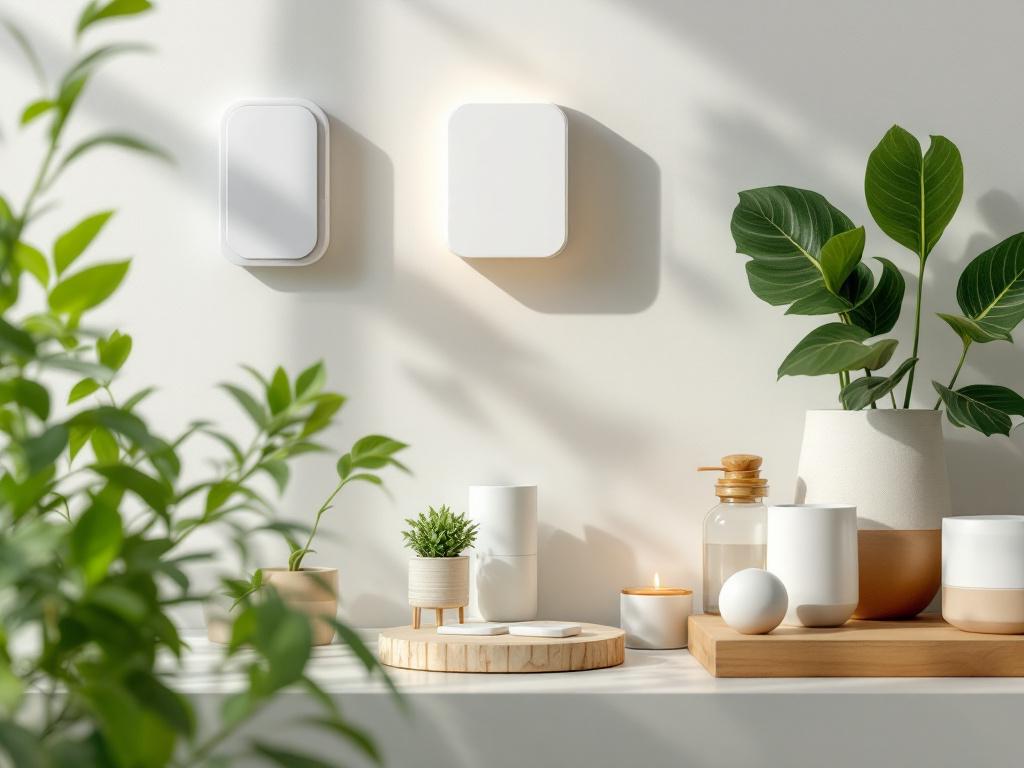
Top 10 Energy-Efficient Smart Home Devices
In today’s world, where energy costs are on the rise and environmental sustainability is increasingly prioritized, energy-efficient smart devices have emerged as one of the most promising solutions to manage energy consumption effectively. These devices leverage cutting-edge technologies like the Internet of Things (IoT), Artificial Intelligence (AI), and automation to offer real-time, efficient energy management in households. The impact of these smart home energy savings devices extends beyond mere cost-cutting; they also play a crucial role in promoting eco-friendly technology by reducing household emissions significantly. As we explore the various facets of these smart devices, the importance of adopting them becomes evidently clear—not just to save money but to contribute towards a greener planet.
What Are Energy-Efficient Smart Devices?
Energy-efficient smart devices are innovative appliances and systems designed to optimize energy usage using IoT connectivity and advanced software. Unlike conventional appliances, these devices use technology to monitor energy consumption, offering a comprehensive look at how energy is being used within a home. Through automation, they can learn routines, adjust settings based on occupancy and weather conditions, and provide real-time energy tracking data to help users make informed decisions about their energy use. By identifying inefficiencies such as phantom power consumption or energy spikes at peak hours, these devices contribute significantly to smart home energy savings. In stark contrast to traditional devices that operate on static schedules or require manual operation, energy-efficient smart devices automate tasks, providing convenience and ensuring minimal energy waste.
Benefits of Energy-Efficient Smart Devices
Implementing energy-efficient smart devices in your home comes with a multitude of benefits:
- Cost savings on utility bills: By optimizing temperature settings and reducing wastage, these devices can lead to a reduction in utility bills by as much as 5-22%. Homeowners may save around $180 annually with smart thermostats alone, and up to $100 using smart plugs to cut down standby power consumption. These savings become particularly significant over time, making the initial investment in smart technology well worth it.
- Environmental impact: The use of energy-efficient smart devices also marks a substantial reduction in carbon footprints. With technologies that reduce emissions by 12-27% and support renewable energy integration, these devices play a crucial part in promoting eco-friendly technology. Utilizing solar panels and storage options, they ensure that homes not only consume less but also contribute more back to the environment.
- Convenience and automation: One of the standout features of these smart devices is their ability to provide remote control and automation of home systems. Through app-based or voice controls, users can adjust settings from a distance, ensuring comfort without excess energy use. Automation features such as adaptive lighting and thermostatic control based on occupancy and schedules make everyday living both energy-efficient and comfortable.
Popular Energy-Efficient Smart Devices
There are various smart devices that have become particularly popular due to their efficiency and user-friendly nature:
- Smart Thermostats: These devices have revolutionized how we manage heating and cooling systems. By learning user schedules and preferences, they can adjust HVAC systems dynamically, saving up to 10% on energy consumption related to heating and cooling.
- Smart Lighting: Incorporating LED bulbs with motion sensors, smart lighting systems can adapt to human movement and scheduled operations. They not only enhance comfort but also promise lighting energy savings between 7-27%.
- Energy Monitoring Systems: Tools like Sense monitors or smart meters track energy usage at the appliance level, providing targeted advice for savings. Such systems can reduce plug loads significantly, offering up to 50% savings on specific devices.
By integrating these smart devices, households can create cohesive systems that enhance smart home energy savings through features like off-peak operation and systematic waste reduction.
How to Choose the Right Devices for Your Home
When integrating smart technology into your home, it is essential to make informed decisions:
- Compatibility: Check if the smart devices are compatible with existing home systems, including any IoT hubs or networks in place.
- Ease of Use: Opt for devices that come with user-friendly interfaces and intuitive apps, enhancing the control experience.
- Energy Efficiency Ratings: Look for devices with high energy efficiency ratings or certifications such as ENERGY STAR. These ratings provide assurance about the performance of the device concerning energy saving.
- Assessing ROI: Consider the return on investment. Statistics suggest homes may save 30-40% overall energy by using smart devices, so calculating the payback through a review of utility data against the upfront device costs may offer insight into long-term benefits.
- AI-enabled Devices: Devices equipped with AI can provide long-term optimization by learning from usage patterns and adapting accordingly, ensuring continued energy savings and efficiency.
Integrating Smart Devices into Your Daily Routine
Maximizing the benefits of energy-efficient smart devices involves creating compatible ecosystems:
- Creating Ecosystems: By linking devices such as smart thermostats, lights, and plugs, you can design routines like “away mode” which automatically reduces energy consumption when the house is unoccupied.
- Energy-Saving Schedules: Utilize app-driven schedules to operate appliances during off-peak hours or use sensors to detect occupancy, ensuring the devices operate only when needed.
- Start Small: Begin with integrating one device, monitor its performance, and gradually expand by adding more devices to achieve a seamless, automated smart home experience.
By following these steps, users can build systems that ensure both optimal energy efficiency and comfort.
Technological Advancements in Eco-Friendly Technology
Recent advancements in eco-friendly technology are making smart devices even more effective:
- AI-driven Learning: Modern thermostats are equipped with AI that continuously learns and adapts for better efficiency over time. This ensures your home is always operating at the optimal settings to conserve energy.
- IoT's Role: IoT not only facilitates real-time communication between devices but also integrates renewable energy sources such as solar panels, optimizing usage and storage.
- Future Trends: Upcoming trends include machine learning for predictive energy use adjustments and demand-response systems that ensure grid stability.
These advancements are steering eco-friendly technology towards smart homes with zero-waste goals, paving the way for more sustainable living environments.
Case Studies and Real-Life Examples
Practical examples illustrate the tangible benefits of smart devices:
- Case Studies: Research from Finland supports claims that smart automation can lower emissions by 12.78%, while the U.S. Department of Energy highlights potential savings of $180 annually from intelligent thermostat use.
- Hypothetical Scenarios: Consider a family equipped with smart thermostats, lighting, and plugs that efficiently manage their energy use around their schedules. By doing so, they could save up to 20% on their annual energy bills.
- Testimonials: Users have reported life-changing improvements, noting significant energy savings and lifestyle enhancements. Households have achieved up to 27% energy reduction, testament to the potential impact of adopting these technologies.
Seeing the real-world effectiveness of energy-efficient smart devices emphasizes not only their practical value but also their necessary role in future-focused, sustainable home environments.
Conclusion
Energy-efficient smart devices deliver undeniable benefits in the form of smart home energy savings. By harnessing automation, monitoring, and precise control, these devices can reduce financial burdens associated with energy bills and create a powerful eco-friendly technology framework that lowers emissions and supports greener living. Adopting smart devices transforms home environments into energy-efficient, comfortable spaces that provide significant returns on investment.
Call to Action
To maximize the potential of your energy savings, consider integrating smart thermostats, lighting, or energy monitors tailored to your home’s specific needs. Begin with energy-tracking devices to quickly visualize areas of improvement. Share your exciting experiences with smart home energy savings and contribute to the knowledge pool of eco-friendly technology initiatives in the comments below, fostering a community dedicated to sustainable living.