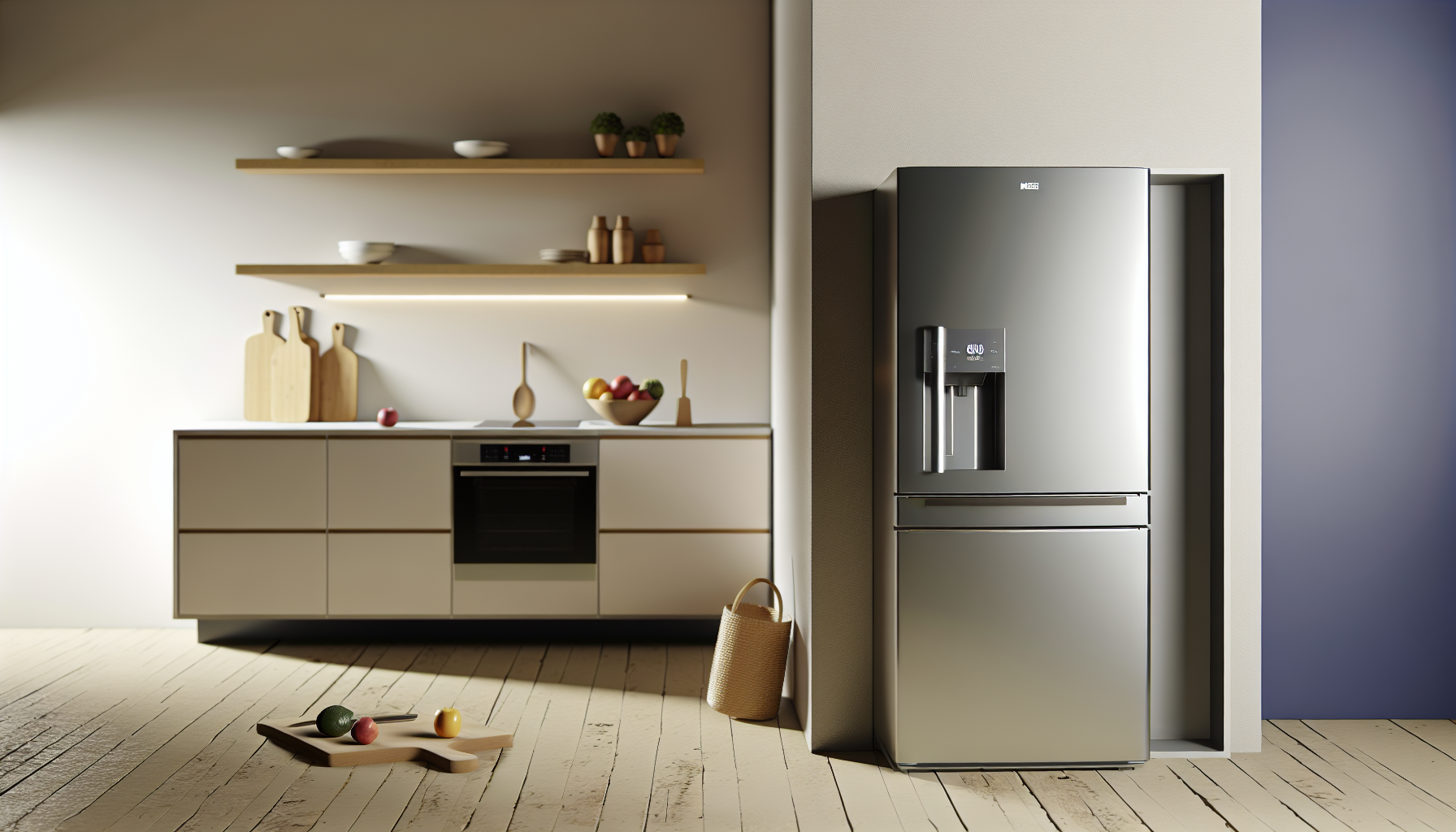
Smart Kitchen Innovations: Cooking and Cleaning with Smart Appliances
Smart kitchen appliances are drawing household kitchens into the digital age, transforming meal preparation from a mundane task into an efficient and intuitive experience. As kitchens embrace technology, devices now think, learn, and adjust to how we cook, seamlessly integrating into our daily routines. The era of slogging through tedious cooking tasks is being replaced by intelligent systems designed to accommodate our lifestyles, driven by a growing demand for convenience, efficiency, and sustainability. These appliances allow us to enjoy more time and energy for creativity and innovation in culinary pursuits. But how did kitchens evolve into these smart spaces?
The Evolution of Kitchen Automation: From Manual to Smart Kitchens
The transition from simple mechanical kitchen aids to the sophisticated world of smart kitchen appliances has revolutionized how we approach cooking and meal preparation. This evolution began with the gradual introduction of electric-powered devices that eased the manual labor involved in cooking. During this period, kitchen tools like electric mixers, blenders, and early microwaves provided the first hints of automation.
Predictive and Adaptive Systems
As we progressed into the digital age, kitchens saw the rise of AI-driven innovations. These smart systems no longer wait for user commands but rather anticipate needs and streamline cooking processes through predictive decision-making. For instance, smart ovens now intuitively preheat themselves based on learned cooking habits, proposing optimal configurations to enhance efficiency. Instead of simply executing tasks, these appliances interpret and adapt to our needs. This is evident in how AI-driven kitchens streamline workflows by proposing improvements and optimizing space utilization.
Enhancing Space Utilization and Efficiency
Smart kitchens have also shifted focus from traditionally rigid layouts to dynamic spaces that adjust according to actual use. While older kitchens were designed based on assumptions about workflow and spatial needs, smart kitchen designs optimize layouts by analyzing real movement patterns, ensuring that every inch of space enhances function and efficiency. By doing so, these kitchens save valuable time and labor, making it possible to manage the complexities of modern life without sacrificing the joy of cooking.
Key Features of Smart Cooking Technology in Modern Kitchens
Smart cooking technology forms the backbone of contemporary kitchen innovations, offering enhanced convenience and control over how we prepare meals. At the heart of these innovations are interconnected systems that bring together multiple advanced features to create seamless cooking experiences.
Connectivity and Control
Smart appliances can connect to Wi-Fi networks, allowing homeowners to control them remotely through smartphone apps. This connectivity permits users to start or stop appliances, receive notifications, and even adjust cooking settings from anywhere within or outside the home, providing unprecedented convenience. Furthermore, integration with voice-activated platforms like Amazon Alexa lets users carry out tasks hands-free, thereby enhancing safety and efficiency in the kitchen.
Intelligent Interfaces and Voice Activation
State-of-the-art touchscreens and LED displays are user-friendly, intuitive, and highly functional. They resist clingy grease and grime while offering clear, crisp images and instructions, improving user interaction with appliances. Voice-activated assistants take this a step further, incorporating appliances into the broader ecosystem of smart home devices. These interfaces provide a versatile control experience, whether through direct physical interaction or via a virtual assistant.
Adaptive Cooking Technology
One of the most exciting developments in smart cooking is AI-assisted technology that fine-tunes cooking parameters based on real-time analysis. Smart ovens, for instance, can adjust heat levels to maintain uniform cooking conditions for various recipes, ensuring consistent outcomes. With AI, these appliances adapt to variables such as cooking time, temperature, and even ingredient types, minimizing guesswork in complex recipes and enabling home chefs to achieve professional-level results with ease.
Innovations: Smart Kitchen Appliances at the Cutting Edge
The field of smart kitchen appliances is brimming with state-of-the-art innovations designed to elevate culinary experiences. These cutting-edge technologies emerge as indispensable allies in the modern kitchen, integrating AI-driven systems to assist with both routine and creative cooking endeavors.
AI-Powered Cooking Systems
One prominent example is the SAM Smart Cooking Assistant, which personalizes the cooking process by using advanced AI technology. This system provides tailored recipe recommendations, aligning with dietary preferences and restrictions, while also suggesting optimal cooking settings for enhanced results. With its hi-tech sensory capabilities, the SAM system automates various tasks such as preheating and temperature adjustments, streamlining operations for a seamless culinary experience.
Predictive Food Management Solutions
Smart refrigerators are another innovation redefining kitchen convenience, featuring capabilities that track food supplies, expiry dates, and recommend recipes. By analyzing household consumption patterns and learning from usage data, these appliances help minimize food waste while promoting mindful consumption. This predictive approach not only reduces spoilage but also aligns meals with available inventory, eliminating redundant grocery store trips.
Precision Cooking Tools
Precision cooking tools provide unparalleled control over meal preparation, epitomized by the MEATER wireless temperature probe and the Anova Culinary Sous Vide Precision Cooker. Such devices utilize app-based interfaces for exact temperature regulation, transmitting real-time updates to users' phones, and utilizing algorithms to predict cook times. These innovations afford cooks precision without requiring constant supervision, enabling focus on other tasks.
- Samsung Bespoke 4-Door Refrigerator: With intelligent food management features.
- GE Profile Opal 2.0 Nugget Ice Maker: Offers voice activation, Wi-Fi connectivity, and status updates.
- Cosori Smart Air Fryer: Features 11 cooking presets and compatibility with virtual assistants.
- Intelligent Ovens: Capable of recognizing dishes and auto-adjusting settings for precision cooking.
Benefits of Embracing Smart Kitchen Appliances
The incorporation of smart kitchen appliances into homes yields several benefits, transforming personal culinary spaces into high-efficiency powerhouses that cater to modern suburban life demands. These devices not only streamline cooking but also significantly contribute to energy savings, waste reduction, and enhanced cooking proficiency.
Enhanced Efficiency and Time Savings
Smart appliances are well-designed to save time, offering automated processes that fast-track food preparation. Automated devices manage multiple components, from setting the right temperature to alerting users when a dish is ready, simplifying meal preparation. With remote operational capabilities, users can begin cooking even before physically entering the kitchen. This capacity for managing numerous tasks allows busy adults to maintain efficient daily routines without feeling overwhelmed by cooking duties.
Waste Reduction and Resource Management
Innovative solutions, such as predictive food management systems found in smart refrigerators, identify potential waste by monitoring inventory levels. By suggesting meals that utilize current stock, these systems reduce spoilage and ensure the effective use of groceries. Resource management is also apparent in smart dishwashers and washing machines, which adjust water and energy requirements for each load type.
Energy Efficiency
Smart kitchen appliances enhance energy usage by monitoring and optimizing power consumption in real time. Many appliances schedule cooking around low-peak energy times and implement energy-saving modes during idle periods, reducing overall electricity costs while considering environmental sustainability. This eco-aware approach to energy consumption benefits users financially and contributes positively toward global energy conservation efforts.
Improved Cooking Results
Aside from saving time and resources, smart appliances ensure excellent culinary outcomes. Intelligent temperature regulation, real-time moisture monitoring, and precise cooking adjustments mean that even intricate recipes can be executed with confidence and high quality. Such consistency and accuracy elevate home-cooked meals to restaurant standards, whether it involves roasting, baking, steaming, or grilling.
Important Considerations Before Investing in a Smart Kitchen
While the advantages of smart kitchen appliances are numerous, it's important to consider several aspects before upgrading your kitchen. Careful planning ensures your investment aligns with lifestyle and practical requirements, making the transition smooth and efficient.
Budget and Compatibility
Before modifying your kitchen with advanced technology, evaluate the overall cost. Smart appliances are a considerable financial commitment, and balance is essential. Factor in potential future costs for maintenance or upgrades. Equally important is ensuring that new devices are compatible with your existing smart home ecosystems, allowing cohesive management of all devices.
Ease of Use and User-Friendly Interfaces
While smart devices come packed with advanced functions, choosing models with intuitive interfaces is crucial. Consider technologies that are easy to navigate and receive user reviews favorably for functionality. Test touchscreen interfaces for accuracy and app usability, ensuring they align with personal comfort levels.
Privacy and Security Concerns
The connectivity of smart kitchen devices means potential data transmission between appliances and manufacturers. Therefore, reviewing privacy policies and understanding data collection practices is crucial. Opt for devices that prioritize user data safety, regularly updating to protect against vulnerabilities.
Availability of Technical Support and Maintenance
Consider the level of technical support and customer service available with smart appliances. A responsive technical support team can enhance your experience by resolving potential issues, from app connectivity problems to troubleshooting software concerns. Evaluate manufacturers' reputations for customer service and the accessibility of maintenance support in your area.
Harnessing Future Trends in Smart Cooking Technology
Looking ahead, the excitement within the smart kitchen industry is palpable as evolving trends continue to shape modern culinary spaces. The most significant advances emphasize connectivity, personalization, and sustainable functionality.
AI and Personalization
Artificial intelligence continues redefining kitchen automation, with new technologies enabling increasingly personalized experiences. Systems discern individual usage patterns, making recommendations that cater to unique culinary styles while promoting efficient practices that sustainably utilize both time and energy.
Emerging Technologies and Their Impact
Cutting-edge innovations are reshaping kitchen appliances, with ultrasonic knives and advanced food recognition systems showcasing their potential. These technological marvels feature prominently in research and development discussions dedicated to advancing the quality of everyday kitchen appliances. Expect kitchens to become centers of technology, utilizing space and time in ways previously unimaginable.
Design for Movement and Workflow Efficiency
Smart kitchen designs focus on optimizing layouts based on learned movement patterns, replacing outdated organizational assumptions. Future kitchens prioritize efficiency and functionality, ensuring that design choices complement actual user behavior rather than limiting it.
The Potential of Smart Kitchen Technology: A New Culinary Era
The integration of smart kitchen appliances transcends mere technological improvements—these sophisticated systems transform the culinary experience while ensuring efficient food management. By incorporating intelligent automation, personalized suggestions, and streamlined connectivity, smart kitchens make meal preparation intuitive and enjoyable. As kitchens become more responsive to individual needs, they enhance daily lives through increased convenience and efficiency.
Exploring smart kitchen technology offers exciting opportunities to embrace innovative devices that contribute to a simplified, precise, and rewarding cooking journey. From the enthusiastic chef seeking advanced precision tools to those desiring stress-free meals, smart appliances provide solutions that cater to diverse culinary aspirations, reducing the burden of daily meal preparation and turning it into a source of joy and creativity.
By weaving this nuanced understanding of smart kitchen appliances throughout each highlighted section, this blog post delves into the past, present, and future of interconnected culinary technology. As households strive to balance modern life with personal enjoyment, smart kitchens provide a meaningful solution that bridges the gap between tradition and innovation.