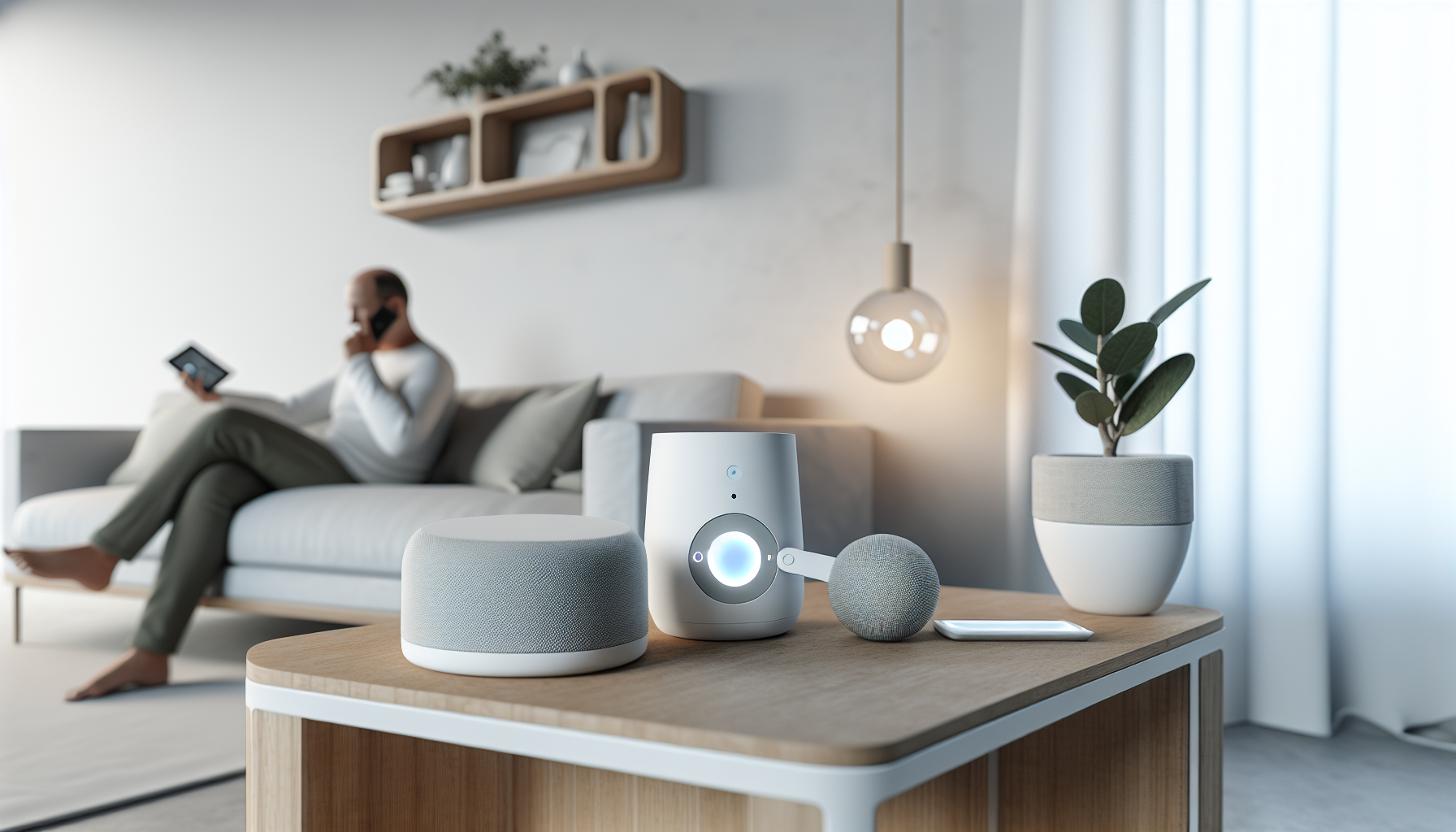
Smart Home Automation for Elderly Care: Innovations and Benefits
In the realm of technological advancement, one area that has seen substantial growth is smart home elderly care. This transformative innovation is changing the face of modern living, especially for the elderly population. By integrating interconnected devices and sensors, smart home technology is crafting a new landscape in senior care, enhancing autonomy, safety, and emotional well-being. These cutting-edge technologies provide a seamless experience, allowing seniors to lead independent lives under a watchful technological eye.
Smart home technology enables a supportive environment for the elderly by embedding devices like motion sensors, video doorbells, smart speakers, and health monitors. These components are pivotal in ensuring a safe and convenient living environment that caters to the unique needs of elderly individuals, promoting an unprecedented level of emotional well-being and security for seniors and peace of mind for their families. The integration of these smart devices in elderly care underscores a new era where technology meets compassion.
Understanding Smart Home Technology in Elderly Care
Smart home technology embodies a wide range of devices designed to offer seamless integration into everyday life, specifically tailored for elderly care. Smart home elderly care uses advanced devices such as motion sensors, smart speakers like Amazon Alexa and Google Home, intelligent thermostats, and smart door locks. These devices are powered by AI-driven platforms and interconnected via Wi-Fi or broadband to facilitate ease and security.
These gadgets do more than just communicate with each other. They collect and analyze data in real-time to trigger alerts and assist in daily living. Imagine a scenario where a senior’s routine is actively monitored, and health warnings are issued at the first sign of an anomaly — this is not science fiction but the reality facilitated by smart home technology.
The significance of such technology is magnified for seniors who live independently. For instance, in the UK alone, approximately 3.6 million seniors over the age of 65 live independently, highlighting the critical need for unobtrusive support systems that can predict and react to issues before they escalate.
Devices collect data discreetly and efficiently, learning the senior’s routine, health patterns, and even changes in behavior. This data is then used to alert caregivers about potential health risks, ensuring prompt intervention. For seniors, especially those living alone, this could mean the difference between timely help and a missed opportunity in emergencies.
Smart home elderly care is not just about convenience, but also about creating a safe and emotionally enriching environment. Assistive smart technology ensures that seniors remain connected to their family and community, reducing isolation and enriching their mental health.
Benefits of Smart Home Technology for Seniors
Safety Enhancements
Safety is a paramount concern when discussing elderly care. Smart home technology revolutionizes safety features within the home environment, specifically designed to minimize risks. Devices such as fall detection sensors can significantly reduce the prevalence of accidents by alerting caregivers or family members immediately when a fall occurs.
Motion-activated lighting serves the dual purpose of preventing trips and reducing energy costs. By automatically lighting up pathways, the risk of falls is greatly diminished, especially in the night. Additionally, emergency alert systems built within smart devices provide real-time notifications directly to caregivers or emergency services if anomalous situations like unattended ovens or water leakage occur.
By leveraging smart home elderly care, families can ensure that safety measures are proactively managed. Automatic alerts and reminders safeguard the home environment, while caregivers can remotely monitor and control these devices, offering peace of mind.
Convenience Features
Smart home technology extends beyond safety, offering unparalleled convenience for elderly individuals. Voice-activated controls, which have become an integral part of modern living, afford seniors the luxury of managing daily tasks with ease. Platforms like Amazon Alexa or Google Home enable hands-free control over home devices, such as adjusting the thermostat, switching on lights, or managing entertainment options.
Automation takes on a new layer of importance when considering task management — smart pill dispensers are a perfect example. These devices remind users about their medication schedule and alert caregivers if doses are missed. Such convenience aids in maintaining the prescribed treatment regimen, promoting better health outcomes for seniors.
As part of home automation for seniors, these intelligent devices remove daily burdens, ensuring that tasks such as cooking, cleaning, and managing personal hygiene are handled with minimal effort. Ultimately, these features enhance the quality of life and empower seniors by supporting their independence within their own homes.
Emotional and Social Well-being
Emotional and mental health are pivotal, especially for seniors who may experience feelings of isolation or loneliness. Smart home devices significantly contribute to the emotional and social well-being of seniors. Video doorbells and two-way communication systems enable effortless interaction with loved ones, reducing the feeling of solitude.
Voice assistants offer more than just task management; they act as a social companion, enabling seniors to engage with their devices by asking for the news, weather updates, or even playing music and podcasts. This interaction keeps them mentally and socially engaged, forming an essential aspect of assistive smart technology.
Fostering a sense of independence without compromising on connectivity helps alleviate caregiver burden. Smart technology encourages a feeling of inclusion and participation in daily life, ensuring seniors don’t miss out on family events or become disconnected from societal engagements.
Key Smart Home Devices for Elderly Care
Understanding the assistive smart technology landscape requires an insight into the key devices that support elderly care. These devices facilitate an environment that is both secure and enriching for seniors.
Smart Speakers: These devices — including the likes of Google Home and Amazon Alexa — form an integral part of smart home systems, enabling voice commands. Seniors can make phone calls, set reminders, and control other connected devices within the home straightforwardly with voice instructions.
Health Monitoring Devices: Wearables and home sensors are capable of tracking vital signs such as blood pressure, glucose levels, and pulse oximetry. These devices furnish real-time data and issue alerts using AI for any irregularities, ensuring a proactive approach to health management.
Medication Dispensers: With automated reminders, these dispensers ensure seniors never miss their doses. They are programmed to automatically alert the caregiver if any medication is skipped, safeguarding medication adherence without manual intervention.
Furthermore, home security systems provide an additional layer of safety for the elderly. Smart locks, video doorbells, and security cameras deliver reliable surveillance and remote access, securing the home from unwanted intrusions and granting family members visibility even when they are not physically present.
By embedding these intelligent devices, the elderly can thrive within their homes, enriched with technology that caters to both their safety and comprehensive well-being.
Implementing Home Automation for Seniors
When considering the adoption of home automation, a structured approach can help in seamlessly integrating these technologies into seniors’ homes:
- Needs Assessment: Start by identifying what the senior aims to achieve. Is the goal increased independence, enhanced mobility, or cognitive assistance?
- Device Selection: Pick out user-friendly devices that emphasize simplicity and ease of use. Look for options with voice control and wider interfaces, such as the Philips Hue for lighting and various security platforms like Vivint.
- Setup: Make use of wireless sensors and prominent services that provide professional installation. This eradicates the complexity of setting up equipment, making the transition for seniors easy and hassle-free.
- Integration: To ensure an effective setup, integrate devices through central hubs or apps for unified control. This makes managing different devices convenient and streamlined for caregivers and users alike. To learn more about Integrating AI with Smart Home Systems: Pros and Cons, consider exploring advanced solutions that enhance the functionality and efficiency of smart homes.
- Testing and Training: Post-installation, conduct thorough testing to set custom routines tailored to the specific needs of the senior. Ensure that the users are comfortable with using the technology through training sessions.
Home automation for seniors requires considering future scalability such that devices can adapt to evolving needs. By taking these steps, families can effectively implement and maintain a supportive environment through smart home technology.
Challenges and Considerations
Despite the manifold benefits, there are challenges and considerations that come with implementing smart home elderly care. Seniors may face barriers in adoption due to dexterity issues or unfamiliarity with technology. However, these can be addressed effectively by leveraging voice-activated controls and designing simple interfaces.
Privacy and security remain a prerogative. As data is transmitted over networks, there’s a need to select secure platforms with encrypted broadband channels. It is crucial to prioritize devices with robust privacy policies to protect sensitive health data from unauthorized access. For essential tips, refer to How to Secure Your Smart Home: Essential Tips and Best Practices to ensure comprehensive security measures are in place.
Caregiver support is paramount as users become acquainted with these new technologies. Providing ongoing assistance and reassurance fosters a smoother transition from traditional living setups to technologically advanced environments. Adapting this supportive approach ensures that seniors feel empowered and confident in using these new systems.
Success Stories and Testimonials
To illustrate the transformative impact of smart home elderly care, real-life success stories speak volumes. A 12-week program in Australia demonstrated significant improvements in seniors’ quality of life through the use of Google Home and Philips Hue lighting systems. Personalized setups in homes have empowered users to manage daily tasks effortlessly while enhancing their sense of security and independence.
Feedback from studies such as those by AgeTech depict a reality where seniors retain their autonomy while reducing caregiver expectations. This proactive involvement alerts family members about potential health risks, ensuring timely intervention and minimizing emergency situations.
Programs facilitated by organizations like Taking Care have enabled families to monitor routine changes in the elderly discreetly, heralding a future where technology not only anticipates needs but addresses them before they escalate.
Conclusion
Embracing smart home elderly care enhances safety, convenience, and emotional well-being, enabling seniors to age with dignity and independence. This integration underscores a future where seniors live enriched lives, seamlessly supported by technology without compromising on personal contact or loving care.
Families and caregivers should seize the opportunity to explore the breadth of available technologies, offering seniors a better quality of life. Through these smart solutions, seniors can effectively and safely enjoy their twilight years.
Call to Action
If you’re ready to innovate in senior care, consider venturing into the world of smart home solutions. Delve into the possibilities presented by providers like Vivint and Philips Hue, famed for their exceptional offerings in smart home technology. For further insights, explore the integration of AI with smart home systems or identify Top 10 Energy-Saving Smart Home Devices for Sustainable Living that contribute to sustainable living. The future of elderly care is smart–embrace it, and help your loved ones thrive.