How to Choose the Right Smart Home Hub for Your Needs
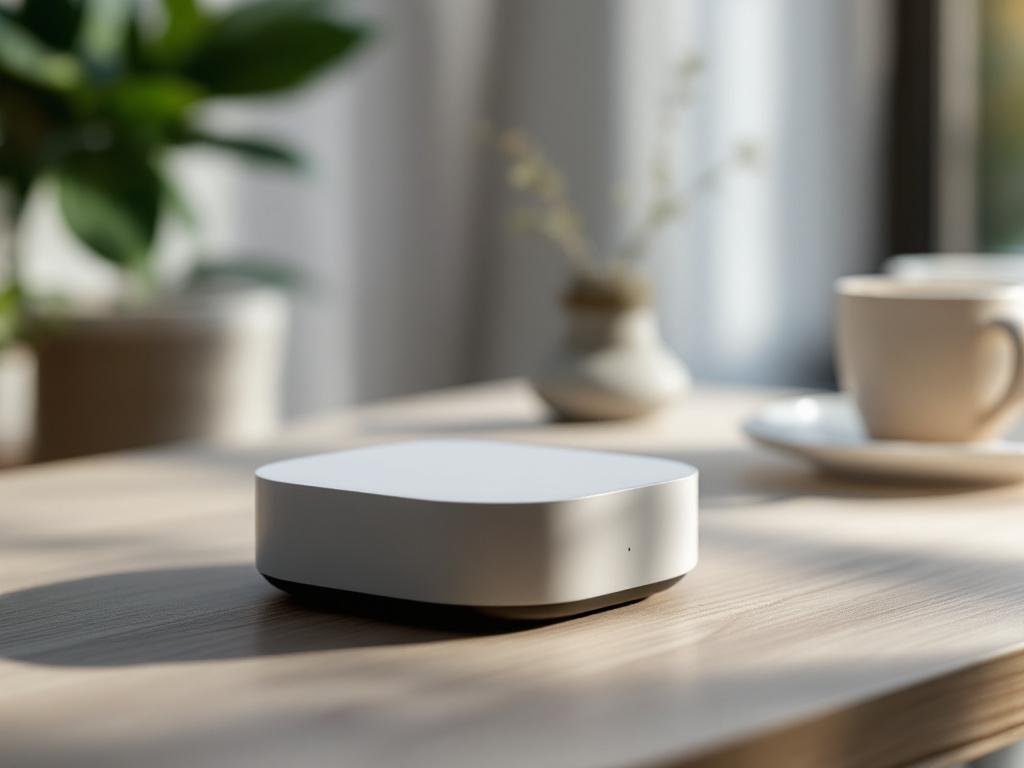
A smart home hub is a centralized device or system that connects and manages a multitude of smart home devices. Acting as the command center, it enables seamless communication between gadgets that might otherwise be incompatible. By bridging different protocols like Wi-Fi, Zigbee, Z-Wave, and Bluetooth, a smart home hub facilitates automation across various platforms. As home automation becomes increasingly popular, more people are drawn to the conveniences offered by these systems, like controlling lights and locking doors with a simple voice command or app tap.
Choosing the right smart home hub is pivotal. It enhances daily living, making homes more efficient and providing a substantial upgrade to convenience and security. The integration of technology in our homes is not just a trend, but a movement toward smarter living. This guide will help you understand what a smart home hub is all about, its benefits, what features to look for, product recommendations, setting up guidance, and the promising future of smart home automation. If you're considering turning your space into a smart home, understanding these fundamentals is the first step toward achieving an automated household.
What is a Smart Home Hub?
A smart home hub serves as the heart of your smart home system. It is a device or software that connects and manages multiple smart home devices, wielding the magic of home automation by creating a network where everything communicates smoothly. The core role of a smart home hub is to provide a unified interface for controlling various gadgets, which can range from lighting systems and security cameras to thermostats and door locks.
Core Functionalities
- Integration of Incompatible Devices: Smart home hubs are crucial for bridging the gap between devices that operate on different protocols. Whether it’s a Zigbee light bulb or a Wi-Fi security camera, the hub allows them to work together seamlessly. For any smart home enthusiast, the ability to mix and match gadgets without worrying about compatibility is a huge relief. This makes it much easier to build a personalized and complex home system.
- Voice Control Support: Modern smart home hubs often integrate with voice assistants like Amazon Alexa or Google Assistant, allowing you to control devices with your voice. This feature is especially useful for accessibility, and it adds a layer of convenience that's hard to overlook. Imagine walking into your home and simply saying, "Turn on the lights," and the lights flick on, all thanks to your hub's voice compatibility.
- Automation of Routines: Another vital function includes setting up automatic routines. For instance, your hub can be programmed to turn off the lights, lower the thermostat, and lock the doors when you say "Goodnight." You could even set it to play your favorite playlist as you return from work. Automations help save time and optimize energy usage, tailoring your home to your lifestyle.
- Remote Access and Local Processing: Smart home hubs empower remote management of home devices via apps. Whether you're across town or across the world, you can monitor and control your home environment. Furthermore, many hubs provide local processing capabilities, ensuring that even if the internet is down, essential functions remain unaffected. This reliability is pivotal for maintaining security and efficiency without external dependency.
Understanding these functionalities can significantly influence your decision-making process when selecting a smart home hub. It isn’t just about buying a device; it’s about choosing a lifestyle upgrade that fits seamlessly into your everyday routine.
Benefits of Using a Smart Home Hub
Implementing a smart home hub in your living space offers numerous benefits that enrich everyday life by streamlining the management of various smart devices. Let's delve into the perks these devices offer, enhancing convenience, security, and energy efficiency in your home.
Centralized Control
With a smart home hub, you gain the power of centralized control over numerous devices such as lights, thermostats, locks, cameras, and even appliances. Instead of juggling multiple apps, you consolidate management into a single platform. This simplifies operations significantly, allowing you to make adjustments via a single interface or even through voice commands. Whether you're at home or away, having this level of control is invaluable in ensuring a streamlined home automation experience.
Energy Efficiency
Smart home hubs greatly improve your home's energy efficiency. By automating schedules and implementing zoned climate control, they help reduce waste. For example, the smart hub can automatically adjust the thermostat when it senses that no one is home or that a specific part of the house is unoccupied. This targeted approach to energy management can lead to noticeable reductions in utility bills and a more sustainable lifestyle. Such automation is not just cost-effective; it's a proactive step towards environmental conservation.
Enhanced Security
Security is another critical advantage offered by smart home hubs. By integrating with alarm systems, sensors, and security cameras, hubs can automate security protocols and alert you to potential threats. Whether it's locking doors automatically or activating security cameras when suspicious activity is detected, the hub acts as an around-the-clock security manager. This gives you peace of mind knowing your home is secure, even when you're not around to monitor it yourself.
Additional Benefits
- Enhanced Privacy: With local processing capabilities, smart hubs can manage data internally without reliance on cloud-based solutions, enhancing your privacy.
- Customized Scenes: You can create personalized settings like a "Movie Night" mode, dimming the lights and setting the perfect thermostat temperature as per your liking.
- Remote Monitoring: Even while you're away, you can check in on your home, adjust settings, or receive real-time notifications about system alerts.
- Accessibility Support: For those with mobility challenges, voice control and automation offer an unprecedented level of independence.
These benefits highlight how a smart home hub can transform your living space into a more efficient, secure, and convenient environment. Making the investment in a hub is more than purchasing a gadget; it’s about stepping into a more forward-thinking, connected way of living.
Features to Look for in the Best Smart Hubs
When venturing into the world of smart home technology, identifying the best smart hubs is essential to unlock the full potential of your home automation system. Here are some pivotal features that should be top of your checklist.
Device Compatibility
This is arguably the most critical feature. A strong smart home hub should support a wide range of devices and ecosystems, such as Amazon Alexa, Google Home, and various smart gadgets operating on protocols like Wi-Fi, Bluetooth, Zigbee, and Z-Wave. Compatibility ensures that you can integrate different brands and technologies seamlessly, avoiding the frustration of being locked into a single ecosystem. Look for hubs that offer backward compatibility, so you don’t have to replace your favorite older devices when upgrading your system.
Ease of Use
User-friendliness is paramount. The hub's interface should be intuitive, with straightforward controls whether you're accessing it through an app or a web interface. A well-designed hub often includes setup wizards and supports voice control, making it accessible even for those who aren't tech-savvy. A smooth user experience encourages users to explore and utilize the full functionality of their smart home system, enhancing both convenience and satisfaction.
Connectivity Options
Robust connectivity is vital for maintaining a stable smart home environment. Look for hubs equipped with multiple radios to handle various protocols and reduce Wi-Fi congestion. This ensures that the system can reliably interact with all connected devices, irrespective of the network they operate on. Additionally, local reliability is a must during internet outages, so the hub should possess strong local processing capabilities, ensuring the system remains operational even without a web connection.
Additional Features
- Automation Capabilities: Advanced customization through routines and scenes makes a hub invaluable. The ability to automate complex tasks ensures your home functions according to your preferences, simplifying your everyday life.
- Remote Access: Check on and control your home from anywhere in the world, providing peace of mind and convenience.
- Energy Reports: Monitoring your energy use helps identify unnecessary consumption, offering insights to optimize and save on energy costs.
- Scalability: As your smart home grows, the hub should seamlessly handle the addition of new devices without compromising performance.
Carefully considering these features will guide you in choosing a smart home hub that not only meets your current needs but also provides flexibility for future expansion, ensuring your home remains at the cutting edge of smart technology.
Top Smart Home Hub Recommendations
Determining the best smart hubs can be daunting with so many options available, but selecting the right hub can transform your living space into an efficient smart home. Here we highlight some top contenders in the market based on current trends and compatibility with various ecosystems.
Hubitat
The Hubitat hub often comes up as a leader due to its strong local processing abilities. Unlike many cloud-dependent systems, Hubitat ensures that your routines and automation continue working even during internet outages. Privacy is another key feature, as data is processed locally rather than being sent to the cloud, which aligns with the increasing demand for smart home privacy.
Pros:
- Broad interoperability with numerous devices and protocols.
- Advanced automation capabilities, allowing for complex routines.
- Local processing contributes to enhanced reliability and privacy.
Cons:
- Can be somewhat complex to set up for beginners.
- The user interface may not be as intuitive as some competitors.
Other Recommendations
For those deeply integrated into the Amazon Alexa or Google Home ecosystems, hubs that seamlessly work within these parameters might be preferable. Alternatively, dedicated professional-grade systems with a heavier emphasis on Zigbee/Z-Wave protocols might be ideal for whole-home automation solutions without device fragmentation.
Pros of Dedicated Hubs:
- Provide unified control over proprietary systems.
- Excellent for those seeking intense security and energy management capabilities.
Cons:
- Potential for setup complexity.
- Might require a steeper learning curve for full integration.
Choosing the Right Hub
In deciding the best hub for your needs:
- Assess the current devices and systems within your home. Ensure the hub you choose has the compatibility and functionality to accommodate them.
- Determine your primary focus—security, convenience, or energy efficiency—and select a hub that excels in your areas of interest.
- Consider both present and future needs, such as plans to expand your smart home network.
By choosing carefully from the wealth of available options, you can select a smart home hub that will serve as the centerpiece of a future-proof, automated home environment.
Setting up a Smart Home Hub
Setting up a smart home hub is a crucial step towards transforming your living space into a connected, automated environment. Here, we provide a comprehensive guide for setting up a smart home hub, alongside troubleshooting tips for common issues.
Step-by-Step Setup Guide
- Connect the Hub to Power and Network
- Start by plugging the hub into a power source and connect it to your network. Many hubs offer both Ethernet and Wi-Fi connections. Ethernet connections are generally more stable and recommended if possible.
- Download and Setup the Hub App
- Every smart home hub will typically have a companion app. Download this to your smartphone or tablet and follow the initial setup instructions. This usually involves creating an account and linking it to your hub.
- Pair Your Devices
- Begin by pairing your smart devices with the hub. Depending on the protocols (like Zigbee or Z-Wave), this might involve scanning QR codes or using a pairing mode. The app will guide you through this process for different types of devices.
- Configure Automations and Scenes
- Once devices are connected, you can move on to creating automations and scenes. This can include routines like turning off all lights or setting a thermostat schedule. Many hubs allow voice integration for even more convenience.
Troubleshooting Tips
- Wi-Fi Signal Issues
- If your hub or devices are struggling with connectivity, ensure that they are within range of the Wi-Fi router or consider using wired Ethernet connections for stability.
- Device Connection Failures
- Double-check that your devices are compatible with your hub’s protocols. Resetting devices or the hub itself might resolve some connectivity issues. Also, ensure that firmware for devices and the hub is up-to-date.
- Firmware and Software Updates
- Outdated software may cause devices to behave unpredictably. Regularly check for firmware updates for your hub to maintain optimal performance and security.
- Internet Outages
- Confirm whether your hub supports local processing. This feature allows your home automations to continue functioning smoothly without internet, maintaining security and convenience.
Manufacturer manuals and apps often provide additional guidance for model-specific setups and issues. Following these steps ensures both a smoother installation process and how to handle common connectivity concerns, allowing you to enjoy the full benefits of your new smart home hub.
Future of Smart Home Automation
The future of smart home automation is poised for thrilling advancements, with transformative trends and innovations on the horizon. Understanding these can guide your smart home journey and help adapt to evolving technologies.
Greater Ecosystem Integration
As smart home technology advances, there is a growing focus on deeper ecosystem integration. Hubs will likely support wider compatibility across various manufacturers and devices, reducing fragmentation and enhancing user experience. This broader integration allows all connected devices to work harmoniously, creating a truly unified smart home environment.
AI-Driven Automation
Artificial intelligence (AI) is expected to play a significant role in the evolution of smart homes. AI-driven automation will introduce more predictive and responsive home environments. For instance, your home might automatically adjust its heating based on weather forecasts or activate security systems when it senses unusual activity patterns. By learning from user habits, smart hubs will make more autonomous and informed decisions, further simplifying daily routines.
Sustainability and Eco-Friendly Features
In response to growing environmental concerns, future smart home hubs will likely incorporate more sustainable features. These could include energy usage tracking, optimization for reducing carbon footprints, and the capability for generating detailed energy reports. Such advancements empower homeowners to manage their resources more sustainably, contributing to broader eco-friendly efforts.
Health and Wellness Integration
Health and wellness are becoming integral aspects of smart homes. Innovations may include enhancements such as air quality monitoring and health tracking systems that seamlessly integrate with other smart home devices. Such features ensure that your living space not only responds to your commands but actively promotes a healthier lifestyle by detecting pollutants or maintaining optimal indoor temperatures and humidity.
Remote Work Enhancements
With remote work becoming the norm for many, smart home hubs will likely adapt to create seamless work-from-home environments. This could involve integrated setups that optimize home office environments in terms of lighting, temperature, and connectivity. Innovations in this area will ensure homes are not just places of living but also secure and efficient workspaces.
As IoT adoption grows, smart hubs are forecasted to become essential in modern homes. By embracing these future developments, you can ensure your home remains at the forefront of smart technology, creating a responsive, convenient, and efficient living space.
Conclusion
Choosing the right smart home hub is essential for those looking to enhance their home automation capabilities. It serves as the central command center, enabling smart devices to work in harmony and simplifies everyday life. We've explored a comprehensive understanding of smart home hubs, their benefits, crucial features of consideration, top recommendations, and a guide to setup alongside future possibilities.
Investing in a well-integrated home system provides unparalleled advantages, from energy efficiency to enhanced security and convenience. A smart home hub is not merely a device, but an essential investment in upgrading your lifestyle. As technology advances and the Internet of Things expands, smart homes will become increasingly common, making it essential to choose a hub that fits your specific needs and preferences.
We encourage you to consider the available options and take the first step towards transforming your house into a smart home. Explore, learn, and embrace the potential of smart technology to create a living environment that caters to your every need.
Call to Action
We invite you to share your experiences or questions about smart home hubs in the comments section. If you’re fascinated by smart home technology and want to stay updated with the latest trends and innovations, consider subscribing to our newsletter.
For a broader understanding of smart home transformation, check out our article on "How to Turn Your House Into a Smart Home in 2026" for valuable insights and guidance.