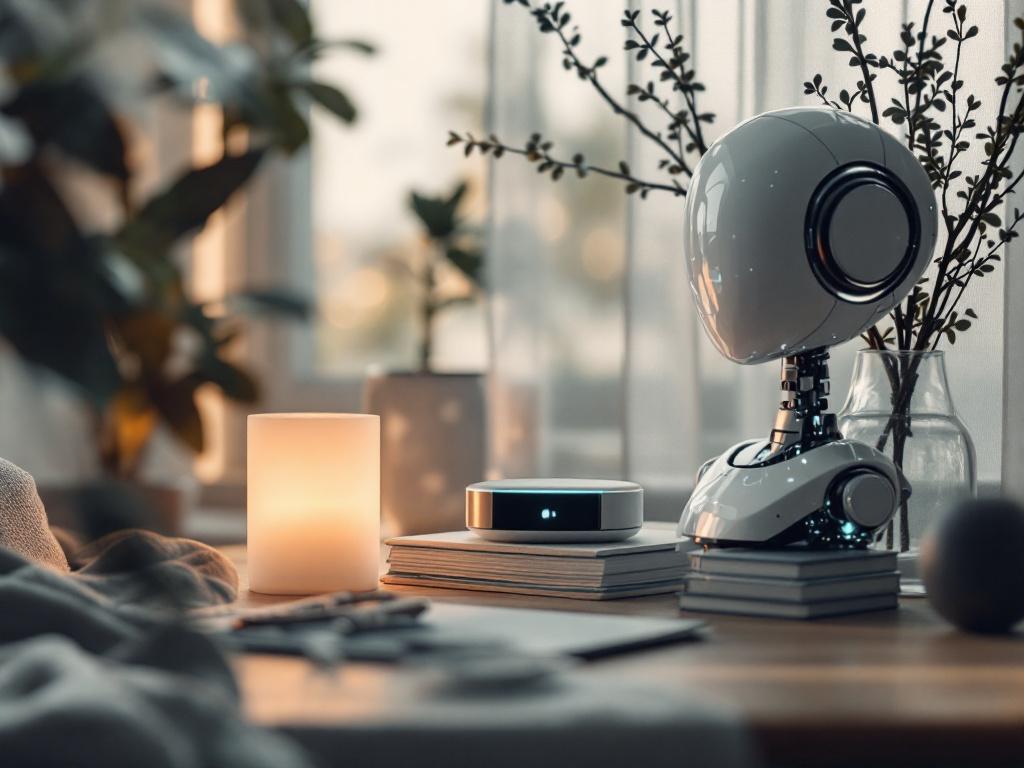
Integrating AI with Smart Home Systems: Pros and Cons
As we venture into 2026, technology continuously reshapes the way we interact with our homes. At the forefront of this revolution is AI smart home integration, which evolves beyond mere automation to embrace predictive intelligence. This blog post explores the advancements in AI integration within smart homes, analyzing their benefits, challenges, and future potential.
Understanding AI Smart Home Integration
AI smart home integration isn't just about connecting devices; it is a sophisticated network that anticipates and caters to the needs of its residents. At its core, this integration employs predictive automation, a method that incorporates mmWave presence sensing and local processing to tailor actions based on real-time data. These smart features work together to create an environment that feels intuitive and responsive.
One of the groundbreaking developments making this possible is the Matter 1.4 protocol. This protocol represents a significant leap in achieving seamless device communication, fostering interoperability across manufacturers. Such a breakthrough means devices can finally 'speak' to each other regardless of brand or platform, enabling a more cohesive smart home ecosystem.
Moreover, adaptive AI agents are pivotal in this landscape, as these agents learn and adapt to the preferences of each user. They analyze routines and contexts, enabling your home to make decisions on lighting, climate control, and even entertainment options without any manual input from you. This shift from programmable, instruction-following systems to intelligent, adaptive ones marks a new era in home automation.
In comparison to the traditional programmable systems, these AI-driven environments continuously learn from interactions and refine their operations accordingly, truly aligning technology with daily life needs. The possibilities offered by such a transformation not only enhance convenience but also redefine our interaction with living spaces. This system cultivates an environment where technology and daily living become seamlessly intertwined, making AI smart home integration an integral part of our future.
The transition from simple automation to intelligent adaptability makes a smart home feel like an extension of oneself—a place that not just houses people, but also understands their intricate rhythms and patterns of behavior. As technology continues to evolve, pushing the boundaries of what's possible, the idea of a smart home becoming a truly intelligent living entity becomes less science fiction and more a staple of modern life.
Key Benefits of AI in Smart Homes
The integration of AI into smart homes redefines not just the interaction but also the efficiency, security, and daily conveniences it can afford.
Energy Efficiency
One of the most compelling advantages of AI home automation is its impact on energy efficiency. With the rising costs of energy and a growing emphasis on sustainability, the role of AI in optimizing consumption patterns becomes crucial.
Smart thermostats, for instance, are now capable of learning the habits of household members to optimize heating and cooling schedules. This learning ability can reduce energy bills by up to 15%. Beyond thermostats, predictive energy management systems take this a step further, saving households 30-40% on HVAC costs alone. These systems use advanced algorithms to anticipate the necessary energy needs of a home, dramatically minimizing wastage.
Time-of-Use optimization adds another layer to energy management. AI systems can learn the best times to use specific appliances, effectively scheduling activities like washing or charging electrical devices during periods when energy costs are lower. In a typical 2,500 square foot home, such optimization could lead to savings ranging from $800 to $1,200 annually. We recommend reviewing our list of the Top 10 Energy-Saving Smart Home Devices for Sustainable Living to explore the full potential of energy-efficient solutions. Such numbers aren't merely beneficial—they highlight the transformative role of AI in both economical and environmental aspects.
Security Enhancements
AI-driven security systems offer a multi-layered approach to safeguarding homes. Systems equipped with facial recognition capabilities can differentiate between household members and potential intruders, offering a more refined level of security. This technology ensures that the home’s defenses are not just passive but actively working to understand who is within its perimeter.
AI cameras further contribute by using machine learning to minimize false alarms. They learn the patterns of the household and adjust sensitivity levels accordingly, providing more reliable alerts. For a comprehensive guide on protecting your smart home, consider reading How to Secure Your Smart Home: Essential Tips and Best Practices. Such adaptability ensures a reduction in false alarms and provides peace of mind that the security system acts only when necessary.
Statistics reinforce the effectiveness of AI-enhanced security: homes with these advanced systems experience 20% fewer break-ins compared to those without. By integrating sophisticated AI processes, security systems transform from reactive barriers to intelligent, proactive protectors of home and family.
Daily Automation
The convenience offered by daily automation is another hallmark of AI home systems. Devices like AI-powered vacuums navigate through homes avoiding obstacles efficiently, learning the layout over time and optimizing the cleaning path. These vacuums can dodge pet messes, moving one step closer to emulating human caretaking behaviors.
Smart lighting and thermostats offer tailored experiences based on mood and external conditions. Lights can adjust brightness based on the ambiance you desire, and thermostats react to real-time weather changes to maintain optimal comfort levels. Even smart assistants play an active role, adapting climate, lighting, and even entertainment based on the household's routine activities.
Such seamless integration of AI across different aspects of home living suggests that automation isn't just about facilitating tasks but evolving lifestyle management into an adaptive home environment that predicts and meets its inhabitants’ every need.
Comparative Analysis of AI Home Automation Solutions
Understanding the various AI home automation solutions involves a comparative analysis framed by different cost tiers. This approach not only emphasizes affordability and access but also delineates the capabilities each level presents.
Entry-Level and DIY Systems
For individuals or families seeking a modest footprint in the realm of smart homes, entry-level or DIY systems offer a cost-effective introduction. Priced between $2,500 and $5,000, these systems typically cater to apartments or rented spaces. They include essentials like smart thermostats, video doorbells, basic voice assistants, and leak sensors.
These solutions provide the basic connectivity and automation features that transform a home into a more manageable and responsive environment. Entry-level systems focus on versatile adaptability, ensuring that renters or those with no structural control over their living spaces can still enjoy enhanced living experiences without major investments.
Mid-Range Systems
For those looking to expand into family homes, mid-range systems typically fall within the $10,000 to $25,000 range. This tier features integrated lighting systems like Lutron, predictive HVAC technologies, smart locks, and a dedicated local hub for centralized control.
Mid-range solutions represent a step up in sophistication and seamlessness. They not only integrate more devices but do so in a manner that prioritizes the harmony of device ecosystems, offering significant enhancements in living quality.
Luxury and Custom Builds
Luxury solutions cater to those who desire the pinnacle of smart home automation. With costs ranging from $50,000 to over $120,000, these custom-built systems are tailored to encompass entire homes. They provide expansive features such as whole-home audio, mmWave presence tracking, health monitoring systems, and energy arbitrage solutions.
Luxury solutions push the envelope further, incorporating bespoke features and complete customization to ensure every aspect of the living space not only adapts to but predicts resident behavior and needs. For those who can afford it, this represents the ultimate expression of smart home living, integrating AI to offer a truly immersive, intelligent, and connected living environment.
Platform Leaders
Regardless of the budget, platform leaders such as Amazon Alexa, Google Assistant, and Apple HomeKit remain central to achieving seamless device functionality. Their prowess in natural language processing enables more intuitive control, positioning them as linchpins in the adoption of smart home technology.
Each of these platforms continues to evolve, with updates that enhance user experience and integrate new features. As the market grows, these leaders remain pivotal in ensuring the cohesive functionality of the home’s AI-driven ecosystem.
By delving into the tiers and capabilities offered by various AI home systems, homeowners can make informed decisions that best suit their need and lifestyle preferences, ensuring that every investment made toward smart home technology returns enhanced utility and daily comfort.
Challenges and Considerations
While the benefits of AI smart home integration are substantial, navigating the challenges remains crucial. These considerations play a critical role in determining the successful implementation and long-term satisfaction with smart home systems.
Privacy and Security Concerns
Data privacy remains a paramount concern for many homeowners contemplating smart technology integration. As more devices connect and collect data, the vulnerability to potential breaches increases. In response, the industry has invested in local-first AI hubs. These hubs process data within the home itself, reducing the need to send sensitive information to cloud servers.
This approach not only aligns with growing privacy standards but also offers reassurance to users, ensuring that their data remains secure. The transition towards local processing inherently emphasizes control and protection, addressing a major apprehension surrounding smart technology applications.
Technology Compatibility and Fragmentation
The fragmentation of technology across brands and systems can pose significant hurdles for consumers. Disjointed systems could lead to reduced functionality and increased frustration, particularly when seeking seamless device integration. Matter 1.4 stands out as a pivotal advancement in solving these issues, providing cross-platform communication and enhancing compatibility across diverse smart home devices.
While these solutions help, the steady pace of updates continues to challenge less tech-savvy users. Ongoing improvements require regular adaptation and learning, which can deter some from fully embracing AI smart home solutions.
Practical and Financial Hurdles
The upfront costs of advanced smart home technologies can be significant, often with a return on investment (ROI) that spans several years. While traditional smart thermostats might offer ROI within 1-2 years, AI-centered energy managers might take 2-3 years to realize financial benefits.
Despite these considerations, the long-term economic and energy savings offered through AI smart home integration remain undeniable. Diligently evaluating the initial investments against potential savings is crucial for consumers, ensuring they clearly understand the value offered by these technology upgrades.
Navigating these challenges requires a comprehensive understanding of both the potential liabilities and the transformative capabilities AI smart homes offer. Recognizing these considerations empowers consumers to make informed decisions, maximizing their integration experience while effectively managing risk.
Case Studies and Real-World Applications
AI smart home innovations have moved beyond the theoretical and into practical use, demonstrating tangible benefits across various aspects of daily living. These real-world applications illustrate the profound impact AI technology can have on everyday life.
Energy Optimization
Energy efficiency is one of the most visible benefits of AI in smart home technology. Electric vehicle (EV) chargers represent a noteworthy example. By utilizing AI, these chargers can automatically schedule themselves during off-peak hours when energy rates are lower. Similarly, solar panels and battery systems can prioritize energy distribution in a way that maximizes savings while ensuring continual power supply.
For more insights on enhancing energy efficiency, check out our guide on the Top 10 Energy-Efficient Smart Home Devices. These applications underscore AI's capacity to not only streamline energy consumption but also contribute to significant cost savings, bolstering sustainability efforts in households nationwide.
Health and Wellness
AI-driven health and wellness applications are gaining traction, transforming personal health management. Devices like smart beds and mirrors integrate AI to monitor health metrics such as sleep patterns, heart rate, and activity levels. These insights provide users with valuable data that can lead to healthier lifestyle adjustments.
Indoor air quality sensors equipped with AI offer an additional layer of health protection. These sensors detect pollutants or allergens in real-time and activate air purifiers when necessary, ensuring consistent air quality in the home. The foresight AI systems provide plays a crucial role in maintaining optimal health and enhances the living environment’s safety.
Routine Personalization
AI technology extends to the automation of daily routines, providing convenience and efficiency tailored to each user’s needs. By learning individual schedules, these systems can perform tasks like preheating ovens or starting coffee makers before occupants rise each morning.
Moreover, smart entertainment systems can curate playlists based on the time of day or user mood, offering a personalized experience that anticipates resident preferences and enhances the overall ambiance. These applications demonstrate how AI isn’t just about functionality but also about enriching daily life experiences.
Through tangible applications like these, it becomes clear that AI smart home technology is more than a mere novelty—it's an essential part of modern living that continues to evolve, offering increasingly sophisticated benefits that cater to the nuanced needs of contemporary households.
Future of AI in Smart Home Automation
With continuous advancements in technology, the future of AI in smart home automation promises an even more interconnected and intuitive living experience. As we look ahead, several emerging trends define the trajectory of this exciting field.
Predictive Maintenance and Community Intelligence
AI's role is poised to expand significantly in predictive maintenance, where systems autonomously notify homeowners of potential appliance failures before they occur. Early detection helps avoid costly repairs and enhances the longevity of home appliances and installations.
Further developments include community-wide threat intelligence. Neighborhood security networks can collaborate, leading to more effective and faster emergency response times. This community-based approach ensures that entire areas benefit from coordinated smart home security efforts, enhancing overall safety and efficiency.
Health Monitoring Integration
AI's potential to reduce healthcare burdens is significant, specifically through health monitoring integration. By analyzing and integrating health data within the home, AI systems have the potential to reduce hospital readmission rates by up to 20% for chronic conditions. These applications provide early warnings and decision support, allowing individuals to manage their health more proactively.
Homes as Intelligent Wellness Centers
The future points to homes evolving into comprehensive wellness hubs rather than mere connected living spaces. These environments will support holistic wellness by integrating technology that considers both physical health and mental well-being, fostering a balanced lifestyle tailored to individual preferences and needs.
Conclusion
This review of AI smart home integration highlights an unprecedented evolution in how homes can enhance our lives. The benefits of transforming living spaces through intelligent systems are far-reaching, from improving energy efficiency and security to automating daily routines and forecasting health requirements.
As these technologies continue to advance, the integration of sophisticated AI solutions in smart homes is not just a convenience but a transformative opportunity. Adopting AI in your home brings the future closer, enriching our daily interactions and propelling us into a new era of intelligent living.
Call to Action
Are you ready to explore the world of AI smart home integration further? Consider calculating your personal energy savings using industry benchmark figures of $800 to $1,200 annually. Share your experiences with the Matter 1.4 protocol or local-processing systems, and assess your current setup against new privacy-first standards shaping the industry.
Embrace the potential of AI home automation and witness firsthand the transformation from simple automation to a predictive and intelligent living environment that truly complements your lifestyle.